
Yogyakarta Travel Guide: Borobudur, Prambanan & Best Things to Do
Yogyakarta, known locally as Jogja, is the cultural heart of Java. It is home to a living sultanate, ancient temples, batik workshops, street food, and some of the friendliest locals in Indonesia. It is also the best base for visiting Borobudur and Prambanan, two of Southeast Asia's most spectacular temple complexes.
This travel guide to Yogyakarta covers everything you need to plan your trip: the best time to go, how to get there, where to stay, what to eat, top attractions, day trips, costs, and a 4-day itinerary.
Why Visit Yogyakarta?
Jogja blends history, art, and everyday Javanese life in a way few places do. The city is the center of Javanese culture, with traditional gamelan music, wayang (shadow puppet) performances, batik, and silverwork still part of daily life. The Sultan's Palace (Kraton) remains the home of the reigning sultan, and Yogyakarta is the only province in Indonesia still governed by a monarchy.
It is also affordable, walkable in its core areas, and a great base for travelers who want culture, nature, and food in one trip. From here you can reach a Buddhist masterpiece, a Hindu temple complex, a volcano, caves, and beaches within a day.
Best Time to Visit Yogyakarta
- May to September (Dry Season): Sunny days, clear skies, and optimal conditions for temple visits and sunrise tours. June to August is the peak tourist season.
- April & October: Pleasant shoulder months featuring lighter crowds and generally good weather.
- November to March (Wet Season): Expect afternoon tropical showers, high humidity, and lower lodging prices. Most attractions remain open; schedule outdoor activities in the morning.
Best Time of Day: Explore outdoor temples early in the morning to beat the heat and crowds. Reserve air-conditioned cafes, museums, and shops for the afternoon hours.
How to Get to Yogyakarta
- By Air: Yogyakarta International Airport (YIA) in Kulon Progo is the primary hub, handling domestic and international flights. Located 45–60 minutes from downtown, connection options include the airport rail link, shuttles, and ride-hailing services.
- By Train: A scenic, comfortable travel option from Jakarta, Bandung, Surabaya, and Malang. Main arrivals arrive at Yogyakarta Station (Tugu) or Lempuyangan Station. Executive class offers extra comfort on long journeys.
- By Bus: Long-distance buses link Yogyakarta with Bali, Jakarta, and major Javanese cities. They serve as a budget option but take longer than high-speed rail links.
Getting Around Yogyakarta
- Ride-Hailing Apps (Grab & Gojek): The most straightforward, budget-friendly way to order cars or motorbikes around town.
- Becak (Cycle Rickshaw): Iconic for short hops through Malioboro and the Kraton district. Confirm pricing with the driver before boarding.
- Trans Jogja Bus: An inexpensive public bus network connecting major tourist landmarks.
- Scooter Rental: Provides flexible transit, though urban traffic can be intense. Valid driver's license, helmet, and coverage are required.
- Private Driver / Tours: The ideal setup for day trips to Borobudur, Prambanan, and rural destinations.
- Walking: The central corridor spanning Malioboro Street, the Kraton, and Taman Sari is pedestrian-friendly.
Where to Stay in Yogyakarta
- Malioboro: The lively central shopping boulevard. Ideal for first-timers seeking immediate access to street markets, dining, and transit.
- Prawirotaman: A relaxed neighborhood with boutique stays, cafes, and guesthouses popular with independent travelers.
- Sosrowijayan: A budget-friendly enclave near Tugu Train Station, offering affordable hostels and homestays.
- Kraton & Taman Sari Area: Perfect for history enthusiasts wanting to stay near the historic walled city and palace gardens.
- Near Prambanan or Borobudur: Convenient choices if early-morning temple visits are your main focus.
Top Things to Do in Yogyakarta
1. Borobudur Temple
Borobudur is the world's largest Buddhist monument and a UNESCO World Heritage Site. Its stone terraces, stone relief carvings, and stupas containing Buddha statues are impressive at any hour. Upper-structure visitor limits apply to protect the site, so confirm ticket reservations online beforehand.
2. Prambanan Temple
A grand 9th-century Hindu complex, also UNESCO-listed. The tall central spires present a striking profile in late afternoon light. Select evenings feature the outdoors Ramayana Ballet staged with illuminated temple views.
3. Sultan's Palace (Kraton Yogyakarta)
The royal palace serves as a living center of Javanese arts. Visitors can walk courtyards, historical galleries, and pavilions, often catching morning cultural performances.
4. Taman Sari Water Castle
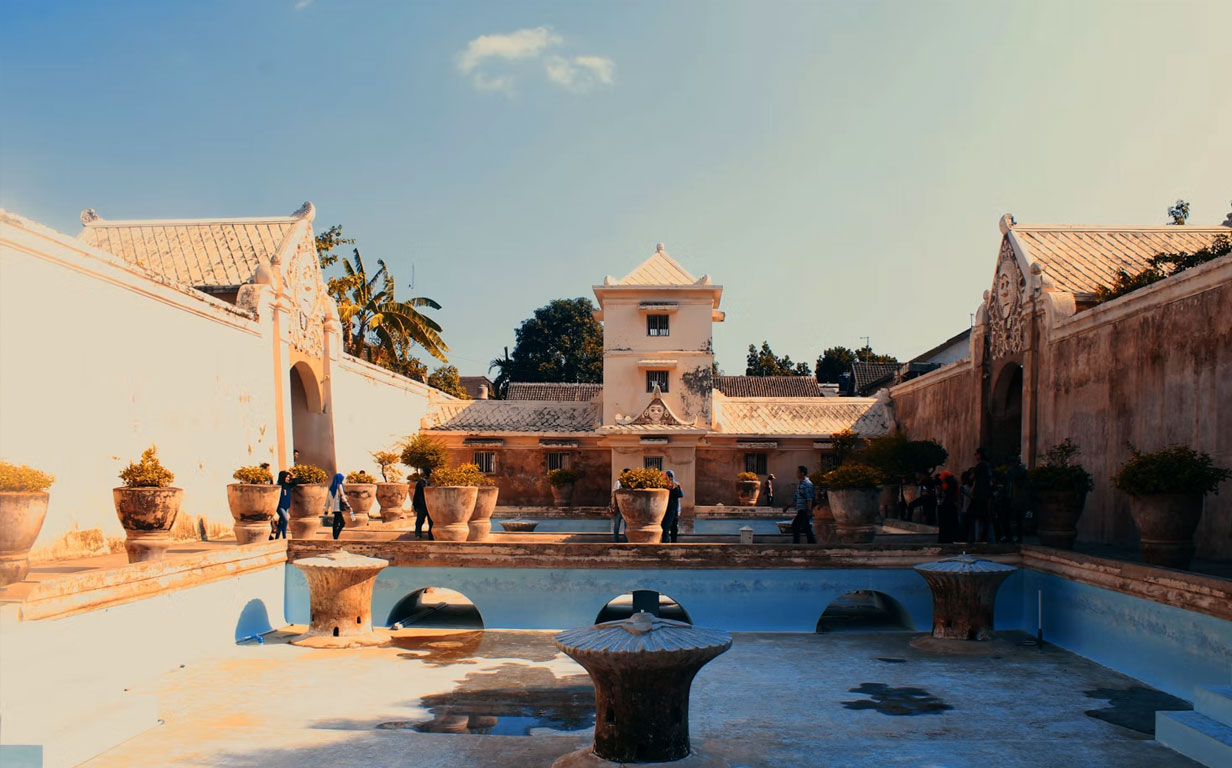
Former royal pleasure park containing bathing pools, underground tunnels, and stone structures. Surrounding alleyways host local batik and craft studios.
5. Malioboro Street
Jogja's core shopping artery for local textiles, souvenirs, and late-night street food stalls (lesehan).
6. Batik and Silver Workshops
Participate in a hands-on batik dye workshop in town, or visit master silversmiths in the historic district of Kotagede.
7. Wayang and Gamelan Performances
Watch traditional Javanese shadow puppetry (Wayang Kulit) accompanied by live gamelan bronze gongs. Check schedules at cultural centers and the palace.
8. Museums and Local Art Galleries
Yogyakarta maintains a thriving contemporary arts scene, featuring galleries, public installations, and historical museums across town.
Day Trips from Yogyakarta
- Merapi Lava Tour: 4x4 jeep route around Mount Merapi, exploring villages affected by previous eruptions. Verify volcanic safety levels before booking.
- Jomblang Cave: A vertical sinkhole cave known for its dramatic mid-day sunlight beam. Advanced booking is required.
- Pindul Cave Tubing: An easy river-tubing trip drifting through subterranean limestone caves.
- Parangtritis & Gunung Kidul Beaches: Coastal headlands and wide sandy beaches south of the city. Exercise caution due to strong ocean currents.
- Nglanggeran Ancient Volcano: A scenic rock ridge hike offering panoramic sunrise and sunset vistas over the valley.
- Kulon Progo Highlands & Kalibiru: Forested hills, viewpoints, and pine forests located near the new airport area.
What to Eat in Yogyakarta
Jogja cuisine is famous for sweet Javanese flavor profiles and accessible street food stalls:
- Gudeg: Tender young jackfruit slow-simmered in palm sugar, spices, and coconut milk; the city's quintessential dish.
- Bakpia Pathok: Round pastries packed with mung bean, chocolate, or cheese fillings; a classic local gift.
- Sate Klatak: Tender goat meat skewers seasoned simply with salt and grilled on iron iron rods.
- Mie Jawa: Savory Javanese noodles wok-fried or served in rich broth from traditional charcoal braziers.
- Nasi Kucing (Angkringan): Mini paper packages of rice topped with sambal and side skewers, sold cheap at roadside stalls.
- Es Dawet & Wedang Ronde: Cooling coconut jelly drinks or warm ginger teas served with chewy rice balls.
- Kopi Joss: A local coffee specialty served with a glowing piece of burning hot charcoal placed in the mug.
Costs and Budget
Estimated daily travel budgets (rates subject to change):
| Expense | Budget Traveler | Mid-Range Traveler |
|---|---|---|
| Accommodation (per night) | IDR 150,000 – 350,000 | IDR 500,000 – 1,200,000 |
| Meals (per day) | IDR 60,000 – 150,000 | IDR 200,000 – 450,000 |
| Local Transport (per day) | IDR 30,000 – 100,000 | IDR 150,000 – 400,000 |
| Attractions & Temples | Varies by site | Varies by site |
| Estimated Daily Total | IDR 300,000 – 650,000 | IDR 900,000 – 2,000,000 |
Note: Foreign visitor ticket rates for UNESCO sites (Borobudur and Prambanan) are priced separately from domestic tickets. Verify updated entry rules online prior to your visit.
4-Day Yogyakarta Itinerary
Day 1: Royal Heritage & City Core
Explore the Sultan's Palace (Kraton), stroll through Taman Sari Water Castle, and wander nearby batik lanes. Finish with an evening walk along Malioboro Street for dinner at an angkringan stall.
Day 2: Borobudur & Countryside
Head to Borobudur early to tour the temple grounds and upper structure. Spend the afternoon exploring surrounding rural villages, Mendut Temple, or taking a bicycle tour through rice paddies. Spend the evening in Prawirotaman.
Day 3: Prambanan & Sunset Temples
Visit Prambanan's towering spires in the morning. Later, view sunset from nearby high points like Ratu Boko. In the evening, watch the Ramayana Ballet performance.
Day 4: Outdoor Adventure or Coastline
Pick an outdoor activity based on your preference: a 4x4 Merapi Lava Tour, Jomblang Cave exploration, or a trip to Gunung Kidul beaches. Head back to town to shop for bakpia pastries before departure.
Practical Tips and Etiquette
- Dress Appropriately: Modest attire covering shoulders and knees is required at temples, royal grounds, and religious sites. Sarongs are provided at select locations.
- Royal Customs: Exercise courtesy inside the Kraton. Avoid pointing feet directly at individuals or sacred objects.
- Carry Cash: Small cash bills are useful for street food stalls, parking fees, and local markets.
- Book Authorized Tours: Use verified booking channels for major attractions and avoid unlicensed touts.
- Sun Protection: Pack water, sunscreen, and a hat for outdoor temple visits.
- Basic Phrases: Expressing a friendly "Terima kasih" (Thank you) is appreciated by locals.
Frequently Asked Questions
How many days do you need in Yogyakarta?
Three to four days is ideal to cover the primary sights, including Borobudur and Prambanan. Five to seven days allows for adventure day trips and a more relaxed pace.
What is the best time to visit Yogyakarta?
May to September (dry season) brings clear skies and optimal weather for temple exploration. Shoulder months like April and October offer fewer crowds.
Is Yogyakarta worth visiting?
Yes. It offers two UNESCO World Heritage temple complexes, vibrant Javanese arts and royal heritage, exceptional street food, and accessible day trips at reasonable costs.
Is Yogyakarta safe for tourists?
Yes, Jogja is widely considered one of Indonesia's safest and most welcoming cities. Practice standard travel safety regarding personal belongings and street traffic.
Can I visit Borobudur and Prambanan in one day?
While logistically possible, it can feel rushed. Spreading them across two separate mornings offers a much more comfortable and memorable experience.
How do I get from Yogyakarta to Mount Bromo?
Most travelers take a train to Probolinggo or Malang, then connect via minibus or private driver to the Bromo area for an overland East Java journey.
Do I need a guide for the temples?
A guide is not strictly required, but hiring a licensed guide provides valuable historical and cultural insight at UNESCO sites like Borobudur and Prambanan.


