Best Time to Visit Mount Bromo: Weather, Sunrise & Complete Travel Guide
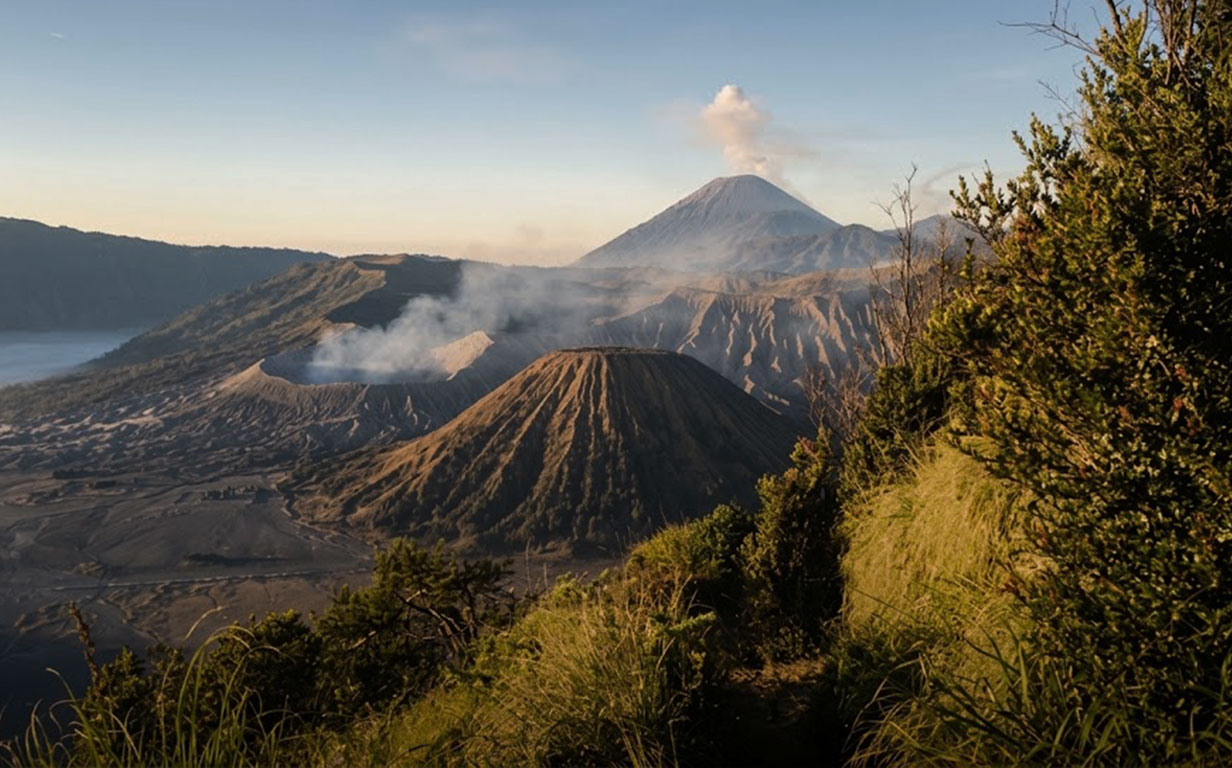
Mount Bromo is one of the most iconic sights in Indonesia: a smoking volcano rising from a vast sea of sand, with clouds rolling through the Tengger Caldera at sunrise. Many travelers also say it is the most underrated stop on Java.
Choosing the best time to visit Mount Bromo can decide whether you see a clear golden sunrise or a wall of grey fog. This guide covers the best months, optimal time of day, trip expectations, costs, packing necessities, and key safety advice.
Quick Answer: Best Time to Visit Mount Bromo
The best time to visit Mount Bromo is during the dry season, from April to October. Skies are clearer, sunrise views are more reliable, and trails and roads are in better shape.
June to August is the peak period, offering prime visibility alongside larger crowds. For comfortable weather with fewer tourists, aim for April, May, September, or October.
The optimal time of day is sunrise (4:30 AM – 6:00 AM), when lighting and volcano views peak.
Mount Bromo Weather by Month
Bromo sits at high altitude, which means cold temperatures year-round, especially before dawn.
| Months | Season | What to Expect |
|---|---|---|
| April – May | Early dry season | Clearing skies, green landscapes, fewer crowds |
| June – August | Peak dry season | Best visibility, cold nights, busiest period |
| September – October | Late dry season | Good weather, dry and dusty, easier booking |
| November – March | Wet season | Frequent clouds/rain, lush greenery, lower prices |
Dry Season (April to October)
Days are sunny and mornings are crisp. Temperatures near the viewpoints drop to 3–10°C (37–50°F) before sunrise. In July and August, temperatures can approach freezing on exposed high ground.
Wet Season (November to March)
Rain and thick clouds occur frequently, which can obscure the sunrise. While clear mornings still happen and the landscape turns vivid green, scheduling flexible backup days is recommended.
Best Time of Day to Visit Mount Bromo
1. Sunrise (4:30 AM – 6:00 AM)
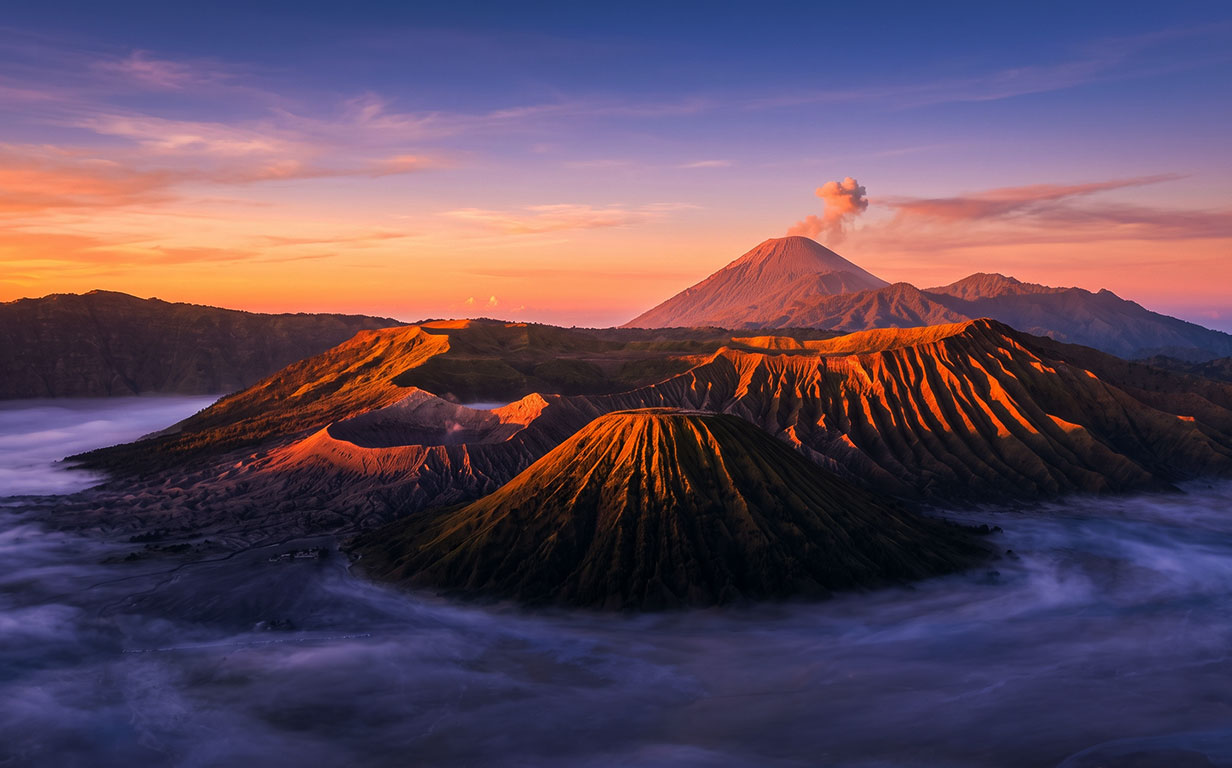
The classic Bromo experience. Tours generally depart around 3:00–3:30 AM to arrive at Penanjakan Viewpoint before dawn. Watch the sun rise behind the volcanoes as Mount Bromo and Mount Semeru emerge above the mist.
2. Mid-Morning (7:00 AM – 10:00 AM)
Following sunrise, tours drive down into the caldera to cross the sand sea and climb the crater rim. The morning light remains soft, temperatures warm up, and crater crowds thin out slightly later in the morning.
3. Afternoon & Sunset
Bromo is not typically a sunset spot, as mid-day clouds often roll over the caldera. Afternoons are ideal for resting, local photography, or visiting surrounding waterfalls and villages.
Other Timing Factors
- Weekends & Holidays: Expect larger crowds and higher accommodation rates. Plan for a weekday visit if possible.
- Yadnya Kasada Festival: Held annually (usually in June or July), this sacred Hindu Tenggerese ceremony involves placing offerings into the crater. It offers a unique cultural perspective, though area access can be restricted and crowds peak.
- Volcanic Activity & Closures: As an active volcano, crater or area access can change on short notice. Check updates with Bromo Tengger Semeru National Park (TNBTS) prior to departure.
What to Expect on a Mount Bromo Trip
Here is a typical sunrise tour timeline:
- 2:30 AM – 3:30 AM (Early Start): Depart early in the dark via jeep or private transfer. Dress in warm layers.
- Jeep Ride to Viewpoint: Travel up the winding road to Penanjakan Viewpoint (~2,770m altitude). Prepare for a brief walk to the viewing area.
- Sunrise Show: As dawn arrives, the volcanic panorama emerges over the cloud floor.
- Descent to the Sea of Sand: Drive down into the vast volcanic plain (Segara Wedi).
- Crater Ascent: Park near Pura Luhur Poten temple, then walk or hire a horse across the sand flat. Climb ~250 stairs to the crater rim to observe the active vent. Wear a mask or scarf to protect against sulfur fumes and dust.
- Savanna & Whispering Sands (Optional): Optional stops include Bukit Teletubbies (Teletubbies Hill) and Pasir Berbisik (Whispering Sands).
- Return & Breakfast: Return to accommodation by 9:00 AM – 10:00 AM for breakfast and rest.
Main Viewpoints and Attractions
- Penanjakan Viewpoint: The classic sunrise viewing platform offering the widest panoramic landscape.
- King Kong Hill & Seruni Point: Alternative sunrise viewpoints that generally see fewer visitors than Penanjakan.
- Mount Bromo Crater: The central steaming volcano rim accessible via steps.
- Mount Batok: The distinct, cone-shaped extinct volcano neighboring Bromo.
- Mount Semeru: The highest peak on Java, often visible behind Bromo emitting small ash clouds.
- Bukit Teletubbies & Whispering Sands: Rolling green hills and expansive sandy plains located on the southern side of the caldera.
- Madakaripura Waterfall: A tall canyon waterfall near Probolinggo, frequently added to Bromo arrival or departure routes.
How to Get to Mount Bromo
Primary transit hubs include Surabaya, Malang, and Probolinggo.
- Via Probolinggo to Cemoro Lawang: The most common route. Travel by train or bus to Probolinggo, then take a minibus, motorcycle taxi (ojek), or private vehicle to Cemoro Lawang village.
- Via Malang: Scenic route crossing Tumpang and the savanna. Popular for overland routes combining Malang, Bromo, and Mount Ijen.
- Via Pasuruan: Alternative route utilized by select private transfers and tours.
- Organized Tours: Booking a tour out of Surabaya, Malang, or Yogyakarta includes transport, jeep hire, and driver/guide arrangements.
Where to Stay: Staying in or near Cemoro Lawang minimizes early morning transit times to the viewpoints. Options include basic homestays and mid-range lodges. Advance booking is recommended for peak months.
Costs and Tickets
Estimated pricing guide (rates subject to change):
| Expense Item | Estimated Cost (IDR) |
|---|---|
| Park Entrance Ticket (Foreign Visitors) | IDR 250,000 – 350,000 (higher on weekends/holidays) |
| Shared Jeep Tour (per person) | IDR 150,000 – 300,000 |
| Private Jeep (per vehicle) | IDR 600,000 – 900,000 |
| Horse Ride (to crater steps) | IDR 100,000 – 200,000 |
| Budget Homestay / Hotel | IDR 200,000 – 600,000 per night |
| Local Meals | IDR 25,000 – 60,000 per meal |
Note: Verify official ticket requirements via the TNBTS national park portal prior to travel, as online registration systems are periodically updated.
What to Pack for Mount Bromo
- Warm layers: Thermal base layer, fleece, and a windproof jacket.
- Cold weather gear: Warm hat, gloves, and a neck gaiter or scarf.
- Face protection: Dust mask or buff to guard against dust and volcanic sulfur fumes.
- Footwear: Sturdy closed-toe hiking shoes or sneakers.
- Lighting: Headlamp or charged phone flashlight for pre-dawn walking.
- Electronics: Camera/phone with extra power banks (cold temperatures drain batteries faster).
- Sun protection: Sunglasses and broad-spectrum sunscreen.
- Cash: Indonesian Rupiah (ATMs are scarce in Cemoro Lawang).
- Hydration & Snacks: Water bottle and light food items.
- Rain protection: Compact rain jacket or poncho (essential during wet season).
Tips, Safety, and Etiquette
- Arrive Early: Popular sunrise spots fill up quickly before dawn.
- Respect Local Culture: The Tenggerese people consider Bromo sacred. Dress modestly, minimize noise near Pura Luhur Poten, and observe local guidance during religious events.
- Follow Trail Markers: The crater rim lacks outer guardrails in many sections; stay within safe walking zones.
- Respiratory Care: Use a mask near the crater, especially if sensitive to air quality or sulfur.
- Leave No Trace: Carry out all personal trash and plastic bottles.
- Animal Welfare: When selecting horse rentals, choose handlers who demonstrate clear care for their animals, or choose to trek on foot.
- Build in Buffer Time: Consider staying an extra morning in case weather impacts visibility on your first attempt.
Frequently Asked Questions
What is the best month to visit Mount Bromo?
June to August provides the clearest weather, though crowds are highest. April, May, September, and October offer a balanced alternative with clear weather and fewer visitors.
Is Mount Bromo worth visiting in the rainy season?
Yes, for travelers prioritizing green landscapes, fewer tourists, and lower rates. However, expect higher chances of cloud cover and rain obscuring sunrise views.
How cold does it get at Mount Bromo?
Mornings before sunrise average 3°C to 10°C (37°F–50°F). During peak winter months (July–August), temperature readings near viewpoints can drop close to freezing.
How long should I spend at Mount Bromo?
One night and one morning is standard for the classic sunrise and crater trip. Allocation of two nights provides a buffer in case weather conditions are unfavorable on morning one.
Is it safe to visit Mount Bromo?
Yes, provided you monitor official volcanic status updates and follow national park instructions. Access restrictions may apply during periods of heightened activity.
Do I need a guide or jeep?
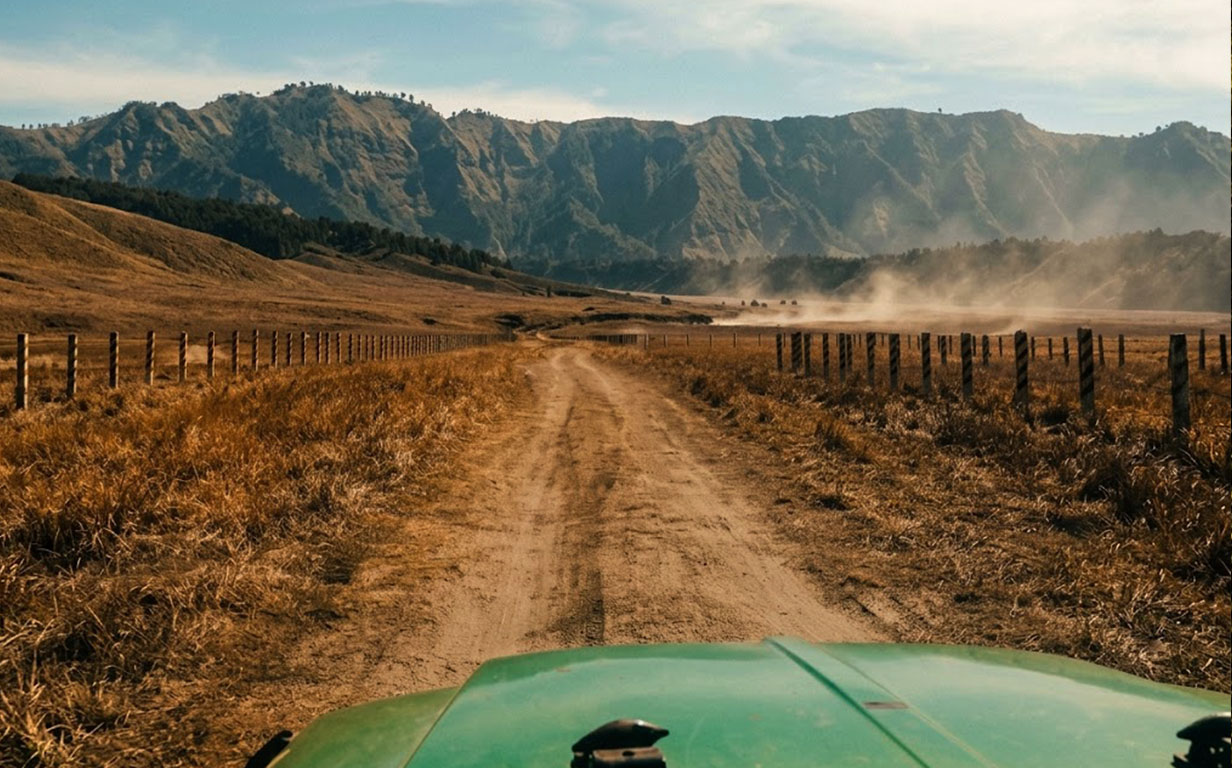
A 4x4 jeep is the standard mode of transport across the sand sea and up to Penanjakan. While hiking independently from Cemoro Lawang is possible, transport simplifies sunrise logistics.
Can I visit Bromo and Ijen in one trip?
Yes, combining Mount Bromo and Mount Ijen is a common multi-day East Java route starting or ending in Surabaya, Malang, or Banyuwangi.


