
Yogyakarta Travel Guide: Temples, Culture, and Adventure in the Heart of Java
Yogyakarta — locally known as Jogja — is the cultural capital of Java, Indonesia. It blends a living royal court with ancient UNESCO temples, an active volcano, traditional arts, and one of Southeast Asia's most creative food scenes. This Yogyakarta travel guide covers the best things to do, what to eat, where to stay, and how to plan your trip.
Yogyakarta at a Glance
| Category | Information |
|---|---|
| Destination | Yogyakarta, Special Region of Yogyakarta, Java, Indonesia |
| Known for | Temples, Javanese culture, food, art, beaches, and Mount Merapi |
| Top attractions | Borobudur, Prambanan, Keraton, Malioboro, Mount Merapi |
| Adventure | Jeep tours, caves, rafting, beaches, and volcano experiences |
| Best time to visit | April to October (Dry season) |
| Recommended trip length | 3–5 days |
Why Visit Yogyakarta?
Yogyakarta is one of the most diverse destinations in Java. Within a relatively compact area, travelers can experience royal traditions, ancient temples, contemporary art, traditional food, volcanic landscapes, caves, and beaches.
- A city built around learning and creativity: Home to Universitas Gadjah Mada (UGM), Jogja has a young, artistic energy visible in its galleries, murals, independent shops, and cafés.
- A living royal tradition: Yogyakarta remains an active sultanate, and daily life continues to be shaped by centuries-old customs, classical dance, and gamelan music.
- World-class heritage on your doorstep: Borobudur, Prambanan, Mount Merapi, and the Indian Ocean coastline are all easily accessible from the city.
History and Royal Traditions
The name Yogyakarta comes from the Sanskrit words Ayogya, meaning "fit" or "proper," and Karta, meaning "prosperous." The city's history is closely connected to the Mataram Kingdom and the development of Javanese Islamic culture.
Today's Yogyakarta Sultanate continues that historical legacy and remains an important part of the city's cultural identity. Visitors can experience this heritage through the Keraton, traditional performances, ceremonies, architecture, and local customs.
Cultural Events Worth Planning Around
- Wayang Kulit: Traditional shadow puppetry in which a dalang (puppeteer) narrates epic stories behind a backlit screen.
- Ramayana Ballet at Prambanan: A spectacular performance of the Ramayana epic staged against the illuminated Prambanan temple complex.
- Grebeg Maulud & Sekaten: Traditional royal celebrations featuring processions and gunungan, large ceremonial food structures distributed to the public.
- Mubeng Beteng: A traditional silent walk around the Keraton's outer walls associated with the Javanese New Year.
- Labuhan Ceremony: An annual royal tradition involving offerings associated with the southern sea and Mount Merapi.
Top Things to Do in Yogyakarta
From ancient temples and royal palaces to lively streets and beaches, Yogyakarta offers plenty of experiences for both first-time visitors and returning travelers.
1. Visit Borobudur Temple
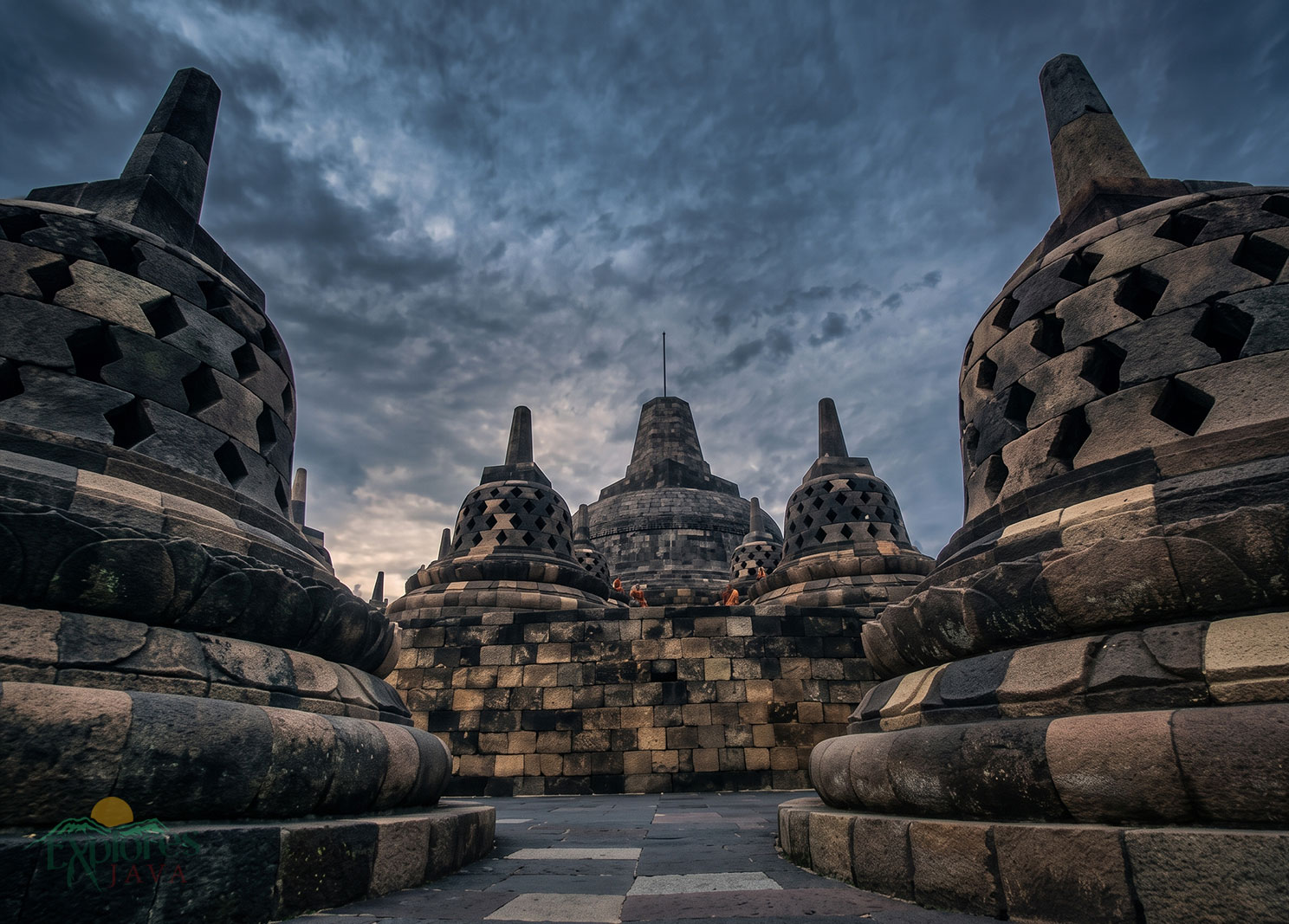
Borobudur Temple is one of Indonesia's most important historical landmarks and one of the world's largest Buddhist monuments. Built in the 8th and 9th centuries, the temple is famous for its stone stupas, relief panels, and surrounding volcanic landscape.
Sunrise visits are particularly popular, offering atmospheric views over the temple and surrounding countryside.
2. Explore Prambanan Temple
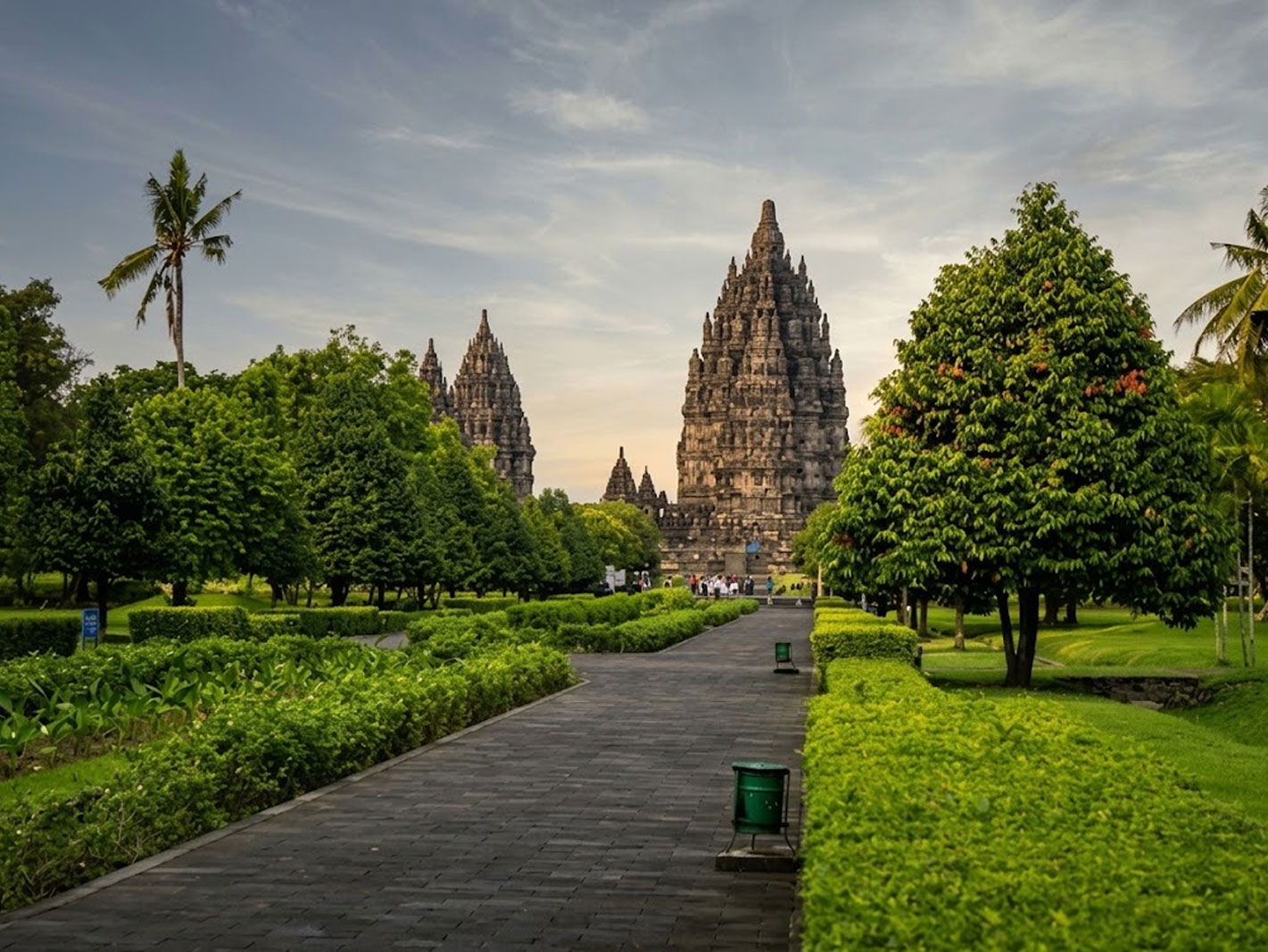
Prambanan Temple is a spectacular 9th-century Hindu temple complex known for its tall, pointed towers. The main temples are dedicated to Brahma, Vishnu, and Shiva.
Combine a daytime visit with an evening performance of the Ramayana Ballet when performances are available.
3. Visit Keraton Yogyakarta

The Keraton Yogyakarta, or Sultan's Palace, is at the heart of the city's royal heritage. Parts of the complex are open to visitors, offering an opportunity to see Javanese architecture, royal collections, traditional performances, and ceremonial objects.
4. Walk Along Malioboro Street

Malioboro Street is one of Yogyakarta's most recognizable areas. Browse batik shops, souvenirs, street food stalls, cafés, and local markets while experiencing the energetic atmosphere of central Jogja.
5. Visit Parangtritis Beach

Parangtritis Beach is one of the most famous beaches near Yogyakarta. Its dark volcanic sand, broad shoreline, strong waves, and dramatic sunsets make it a popular coastal escape from the city.
If you want to explore more of Java's coastline, see our guide to the best beaches in Java.
6. See Tugu Jogja

Tugu Jogja is one of the city's most recognizable landmarks. The monument has long been associated with Yogyakarta's symbolic landscape, connecting the city's northern and southern directions.
Outdoor Adventures Near Yogyakarta
Yogyakarta isn't only about temples and cultural attractions. The surrounding landscape provides opportunities for volcano tours, cave exploration, river rafting, and outdoor adventures.
Mount Merapi Jeep Tour
A Mount Merapi jeep tour takes visitors across volcanic terrain around one of Indonesia's most active volcanoes. Tours commonly explore areas affected by previous eruptions and offer views of the surrounding landscape.
Jomblang Cave
Jomblang Cave is a dramatic limestone sinkhole in Gunungkidul. Visitors descend into the cave before walking through the underground passage toward the area known for its famous beam of sunlight, often called the "Heaven's Light."
Elo River Rafting
Elo River rafting offers a relatively accessible introduction to white-water rafting. The river features rapids and jungle scenery and is suitable for travelers looking for an active day trip.
What to Eat in Yogyakarta
Food is an essential part of the Yogyakarta experience. Traditional Javanese cuisine tends to balance sweet, savory, spicy, and aromatic flavors.
- Gudeg: Yogyakarta's signature dish made from young jackfruit slowly cooked with coconut milk and palm sugar, commonly served with chicken, egg, rice, and spicy sambal krecek.
- Bakmi Jawa: Traditional Javanese noodles cooked to order, often with chicken, egg, vegetables, and aromatic spices.
- Brongkos: A rich Javanese stew traditionally prepared with meat and beans and flavored with keluak and other spices.
- Gatot & Tiwul: Traditional snacks made from cassava, often served with grated fresh coconut.
Where to Stay in Yogyakarta
Yogyakarta has accommodation for almost every type of traveler, from heritage hotels and modern resorts to inexpensive guesthouses and hostels.
Luxury & Heritage
For travelers looking for a more traditional atmosphere and modern comfort, heritage-style hotels and established properties around central Yogyakarta are convenient options:
- The Phoenix Hotel Yogyakarta
- Grand Aston Yogyakarta
Boutique & Budget
Prawirotaman and Sosrowijayan are popular areas for guesthouses, hostels, cafés, restaurants, and boutique accommodation. They are particularly convenient for independent travelers.
Getting To and Around Yogyakarta
Getting to Yogyakarta
- By air: Yogyakarta International Airport (YIA) in Kulon Progo serves domestic and international routes and is connected with the city by rail and road.
- By train: Yogyakarta's Tugu and Lempuyangan stations provide rail connections with major cities including Jakarta, Bandung, Solo, and Surabaya.
Getting Around Yogyakarta
- Trans Jogja: Public buses covering major routes around the city.
- Becak: Traditional three-wheeled pedicabs suitable for short journeys.
- Andong: Traditional horse-drawn carts that can be found around several tourist areas.
- Motorbike rental: A practical option for exploring destinations outside the city center.
- Ride-hailing apps: Useful for convenient transportation within the city and nearby areas.
Best Time to Visit Yogyakarta
The dry season, generally from April to October, is often a convenient period for sightseeing, temple visits, outdoor activities, and day trips.
The rainy season can bring heavier rainfall, particularly during the afternoon, but it can also provide greener landscapes and fewer visitors at some attractions. Weather conditions can vary from year to year, so check the forecast before planning outdoor activities.
Yogyakarta 3-Day Itinerary
| Day | Suggested Activities |
|---|---|
| Day 1 | Borobudur Temple, Keraton Yogyakarta, Malioboro Street |
| Day 2 | Prambanan Temple, batik shopping, Ramayana Ballet performance |
| Day 3 | Mount Merapi jeep tour, Jomblang Cave, or a southern-coast beach trip |
This itinerary can be adjusted depending on your interests. Travelers interested in beaches may want to replace one of the city activities with a trip to Parangtritis or the scenic beaches of Gunungkidul.
Frequently Asked Questions
What can you do in Yogyakarta in 3 days?
A three-day Yogyakarta itinerary can combine major cultural attractions with outdoor experiences. A possible plan is Borobudur, Keraton, and Malioboro on the first day; Prambanan and local batik areas on the second; and a Mount Merapi jeep tour, Jomblang Cave, or a southern-coast destination on the third.
Are there free things to do in Jogja?
Yes. Walking around Malioboro Street, visiting Tugu Jogja, and spending time around Alun-Alun Kidul can be enjoyed without an admission fee, although you may spend money on food, transportation, or other activities.
How many days should I spend in Yogyakarta?
Three days is enough for a first introduction to Yogyakarta, while four to five days allows more time for temples, cultural attractions, food, outdoor adventures, and beaches.
Is Yogyakarta good for first-time visitors to Java?
Yogyakarta offers a combination of cultural attractions, historical landmarks, traditional food, outdoor activities, and convenient transportation connections, making it a practical starting point for exploring Java.


