
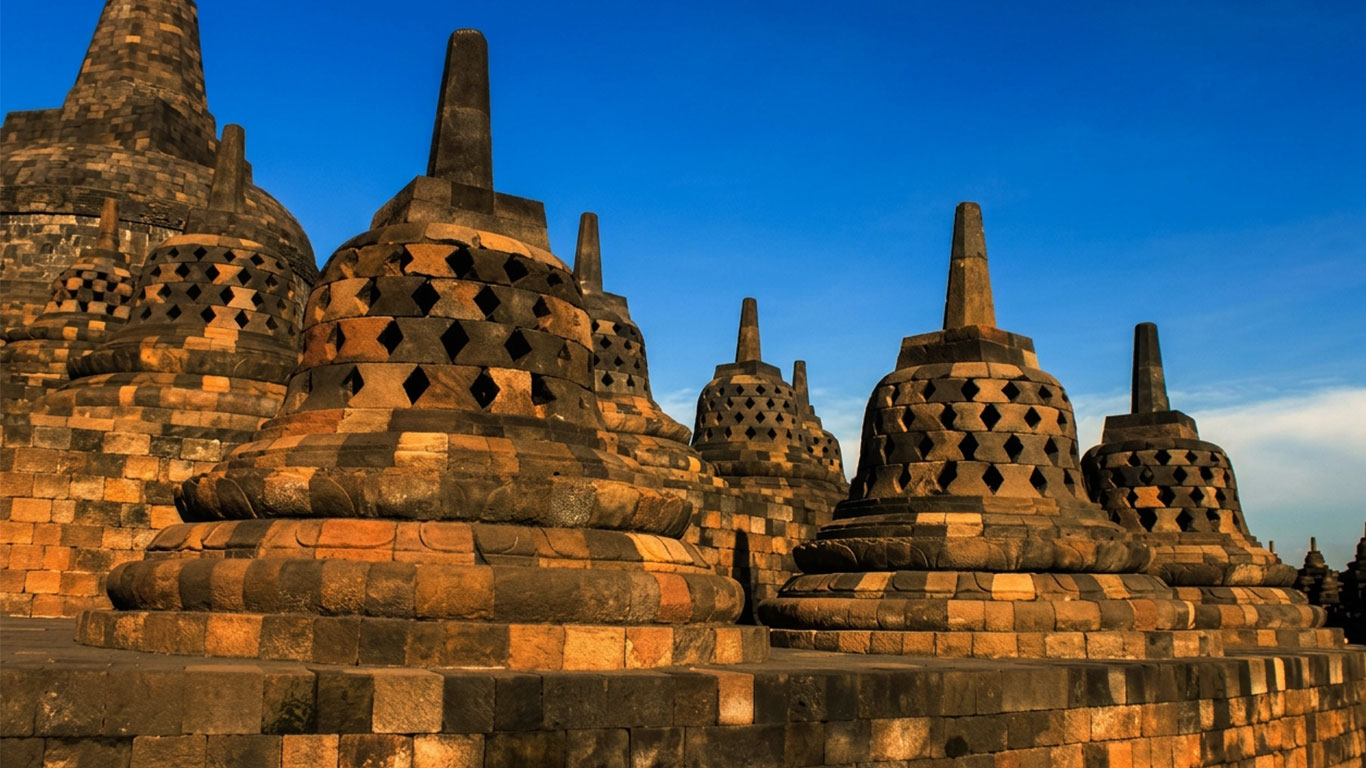
Indonesia has some of the most spectacular temples in the world: the Buddhist monument of Borobudur, the Hindu towers of Prambanan, the cliff-top shrines of Bali. They are also living places of worship, not just photo spots. Knowing the etiquette makes your visit smoother, earns warmer smiles from locals, and helps protect these sites.
This guide covers what to wear, what to avoid, and how to fit temple visits into your Java trip, whether you're following an Indonesia travel itinerary for 10 days or a longer Indonesia travel program for 2 weeks.
Why Temple Etiquette Matters in Indonesia
Indonesia is the world's largest Muslim-majority country, yet it is home to Hindu, Buddhist, Christian, and local Javanese spiritual traditions. Many ancient temples are still used for ceremonies, meditation, and offerings. Borobudur hosts the Vesak celebration each year, and Balinese Hindus pray at their village temples daily.
When you visit, you are a guest in someone's place of worship. Good manners also make your trip better, which is why every solid Indonesia travel guide for 2026 includes them.
Temple Dress Code: What to Wear
The Basic Rules
- Cover your shoulders and knees. This applies to everyone, men and women.
- Wear light, breathable fabrics. Java is hot and humid, so thin cotton or linen trousers or long skirts work well.
- Avoid tank tops, short shorts, crop tops, and see-through clothing.
- Wear shoes that are easy to remove. You may need to take them off at certain areas.
Sarong and Sash
In Bali, and at some temples in Java, you must wear a sarong and a sash (selendang) around your waist. Many sites provide them free or for a small donation or rental fee. The sash is a sign of respect and spiritual readiness, so tie it properly even if it looks awkward.
Borobudur's Special Rules
Borobudur has tightened its visitor management in recent years. Rules have included online ticketing, daily visitor limits for the upper terraces, a guide requirement for climbing, and special upanat sandals to protect the ancient stones. These rules change, so check the official Borobudur ticketing channels before you go.
12 Dos and Don'ts When Visiting Indonesian Temples
Do
- Dress modestly, even when it's hot.
- Be quiet and calm. Speak softly, silence your phone, and avoid loud music.
- Greet people with a smile and a small nod. A friendly "Selamat pagi" (good morning) goes a long way.
- Ask before photographing worshippers, priests, or ceremonies. Never use flash during prayers.
- Leave a donation where a box is provided, especially if entry is free.
- Follow signs and local guides. Staff and volunteers know which areas are open to visitors.
- Use your right hand to give or receive items. The left hand is considered less polite.
Don't
- Don't climb on temple structures, reliefs, or stupas, and don't touch carvings or statues. Oils from your skin and foot traffic cause real damage.
- Don't step on or kick offerings. In Bali, the small palm-leaf trays with flowers and incense (canang sari) are daily offerings. Step around them carefully.
- Don't point your feet at altars or people, and don't sit with your back to a shrine. Feet are considered the lowest part of the body.
- Don't walk in front of people who are praying, and don't position yourself higher than a priest or an altar.
- Don't pose disrespectfully. Avoid kissing or other public affection, sitting on statues, and "funny" photos with sacred objects.
A Note for Bali
Traditional Balinese custom asks women who are menstruating not to enter temple grounds, and signs at some temples say so. Many travelers choose to respect this. Also avoid entering during ceremonies unless you are invited, and be aware that Nyepi (the Day of Silence) closes the whole island, including the airport.
Temples You Shouldn't Miss on Your Java Trip
If you're searching for the best places to visit in Java, Indonesia, these temples belong on your list. Each has its own etiquette flavor.
- Borobudur (near Magelang): The world's largest Buddhist temple and a UNESCO World Heritage Site. Go at sunrise if you can, walk clockwise in the traditional manner, and keep your voice low.
- Prambanan (near Yogyakarta): A stunning 9th-century Hindu complex. Dress modestly, and don't lean on or climb the shrines.
- Mendut and Pawon: Smaller Buddhist temples near Borobudur, often quieter and more devotional. Monks and local worshippers still visit.
- Ratu Boko: A hilltop archaeological site known for its sunset views. It's more open, but still calls for respectful behavior.
- Sukuh and Cetho (Mount Lawu): Unusual, pyramid-like temples that feel off the beaten path, well suited to backpackers.
- Dieng Plateau temples: Some of the oldest Hindu temples in Java, set in cool highland scenery.
- Gedong Songo (near Semarang): A cluster of Hindu temples on a mountainside, ideal for a morning walk.
Sample Itinerary: Temples in a 10-Day Java Trip
Looking for an Indonesia travel itinerary for 10 days? This sample balances culture, nature, and travel time. Adjust it to your pace and budget.
| Day | Plan |
|---|---|
| 1-2 | Arrive in Jakarta, explore Old Town (Kota Tua), then travel to Bandung or onward to Yogyakarta |
| 3-4 | Yogyakarta: Kraton Palace, Prambanan at sunset, local food and batik |
| 5 | Borobudur sunrise, then Mendut and Pawon temples |
| 6 | Dieng Plateau or Solo (Surakarta) for culture and Sukuh/Cetho temples |
| 7-8 | Travel east to Mount Bromo for a sunrise trek |
| 9 | Ijen crater and the blue fire (a guided night trek) |
| 10 | Banyuwangi, ferry to Bali, or fly out from Surabaya |
If you have two weeks, an Indonesia travel program for 2 weeks lets you add Bali's temples (Uluwatu, Tirta Empul, Besakih) and slow down in Yogyakarta, Malang, or Karimunjawa.
Java Overland Tour Itinerary and Backpacking Route
Java is easy to explore overland thanks to its trains, buses, and shared transport. A popular backpacking Java trip route runs west to east:
Jakarta → Bandung → Yogyakarta → Borobudur → Solo → Mount Bromo → Ijen → Banyuwangi → Bali
Tips for this Java overland tour itinerary:
- Take the train between big cities. It's comfortable, affordable, and scenic, and you can book through the official railway app.
- Pack a lightweight sarong or scarf. It works as a temple cover-up, a sun shield, and a beach cloth.
- Carry small cash for donations, parking, and sarong rentals.
- Start early. Temples are cooler, less crowded, and more peaceful at sunrise.
- Check ceremony dates. A temple visit during a religious festival can be unforgettable, but follow instructions from locals.
Java Indonesia Tour Packages vs. Independent Travel
If you prefer ease, a Java Indonesia tour package can bundle transport, accommodation, and a local guide. For temple visits, a good guide adds a lot of value. They can explain the symbolism, tell you which areas are open to visitors, and help you avoid unintentional mistakes.
If you travel independently, hire a local guide at major sites like Borobudur and Prambanan. You'll learn more, and your money supports the local community.
Indonesia Travel Guide 2026: Quick Tips
- Best time to visit: The dry season (roughly May to September) is generally easiest for sightseeing, though temples are lovely year-round.
- Entry rules and ticket prices change often. Always verify them on official websites shortly before your trip.
- Dress code, visitor limits, and special access may be updated for conservation reasons.
- Learn a few phrases: Terima kasih (thank you), Permisi (excuse me), Maaf (sorry).
- Respect local religious calendars. Holidays such as Nyepi, Galungan, Vesak, and Eid can affect opening hours and crowds.
Frequently Asked Questions
Do I need to cover my shoulders and knees at Indonesian temples?
Yes. Modest clothing is expected at most temples, and many sites provide sarongs.
Can I take photos inside Indonesian temples?
Usually yes in public areas, but ask before photographing worshippers or ceremonies, and avoid flash. Drones often require a permit or are banned entirely.
Can I touch the Buddha statues at Borobudur?
No. Touching or climbing on statues, stupas, and reliefs is prohibited because it damages the heritage structure.
Are sarongs required in Java's temples?
At Borobudur and Prambanan, a sarong is not always mandatory if you're dressed modestly, but it is standard in Bali. Check the site's current rules.
What is the best temple to visit in Java?
Borobudur and Prambanan are the most famous, but quieter sites like Sukuh, Cetho, and Gedong Songo are great for travelers who want fewer crowds.
Final Thoughts
Visiting Indonesian temples is one of the most memorable parts of any journey through the archipelago. Dress modestly, move quietly, ask before you photograph, and treat every shrine as a place of living faith. These small gestures make your Indonesia travel itinerary richer and keep these sacred places welcoming for future visitors.


